Foot Clinic · Injection Therapy
Cortisone injections for foot pain
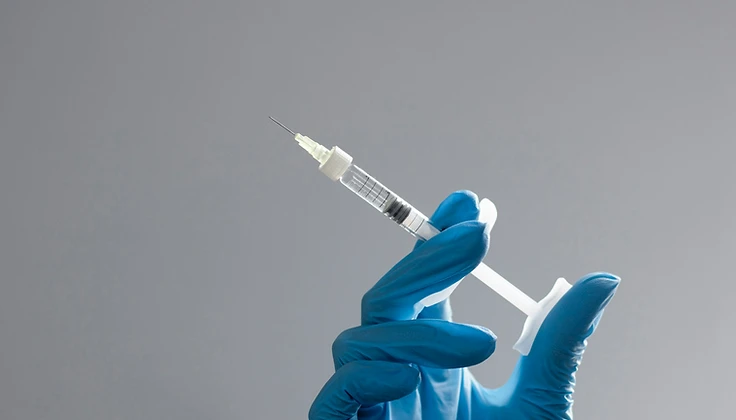
Registered Chiropodists use cortisone injections to reduce inflammation and relieve pain from plantar fasciitis, Morton's neuroma and other painful foot conditions, as part of a plan that addresses the cause.
Conditions
When an injection can help
Injections are usually considered when pain persists despite conservative care, or when pain is limiting your ability to take part in the rest of your treatment.
Injection therapy is one of the specialty treatments offered as part of chiropody care, following an assessment by a Registered Chiropodist. About chiropody treatment
Plantar fasciitis
Inflammation of the thick band of tissue under the heel produces the sharp pain many patients feel with their first steps in the morning. When heel pain has not settled with stretching, orthotics and footwear changes, a cortisone injection can calm the inflammation and reduce pain, making it easier to continue the rest of your treatment plan.
Morton's neuroma
A thickening of the tissue around a nerve between the toes, most often the third and fourth, causing burning, tingling or the feeling of standing on a pebble. A cortisone injection placed around the irritated nerve reduces swelling and inflammation in the area, which can relieve pain and make wider footwear and offloading more effective.
Other painful, inflamed areas
Your Chiropodist may also recommend an injection for other localised inflammatory foot conditions where it is appropriate. Suitability is always confirmed at assessment.
What to Expect
Treatment, timeline and results
Assessment first
Your Chiropodist confirms the diagnosis, reviews your health history and medications, and explains whether an injection is appropriate for you and what it can and cannot achieve.
The injection
Cortisone, a corticosteroid that reduces inflammation, is combined with a local anaesthetic and injected precisely at the source of pain. The appointment is short and the injection itself takes only a few moments.
- Skin cleaned and prepared
- Local anaesthetic numbs the area
- Precise placement at the painful site
- Aftercare explained before you leave
How soon it works
The anaesthetic numbs the area within minutes and wears off after a few hours. The cortisone begins to reduce inflammation over the following days, with most patients noticing improvement within the first week.
How long relief lasts
Results differ from patient to patient. In our experience, and consistent with published research, relief commonly lasts from several weeks to a few months. Some patients need more than one visit to achieve lasting relief, and your Chiropodist will review your progress before recommending a repeat injection.
Part of a wider plan
Cortisone reduces pain and inflammation, but it works best alongside treatment that addresses the cause. The period of relief is the ideal time to build on stretching, strengthening, footwear and orthotic care.
- Stretching and loading exercises
- Custom orthotics or padding
- Footwear changes
- Physiotherapy or shockwave where indicated
Aftercare
Rest the foot for the remainder of the day and avoid strenuous activity for a few days. Mild soreness at the injection site can occur for a day or two and usually settles with ice and rest.
Your chiropody team
Injection therapy is provided by a Registered Chiropodist following an assessment of your foot.

Nancy Nguyen
Registered Chiropodist / Registered Acupuncturist
B.Sc., R.Ac., D.Pod.M

Parveen Gill
Registered Chiropodist
B.Sc. (Hons.), D.Ch.

Katrina Le
Registered Chiropodist
B.Sc. (Hons.), D.Ch.

Michael Wong
Registered Chiropodist
B.Kin, D.Ch
Frequently asked questions
Injection therapy carries an additional fee. Please discuss it with your Chiropodist or our reception team before your appointment.
Book an injection therapy assessment
Most new patients prefer to call. Reception can advise which practitioner is best suited to your concern and arrange a suitable time. Online booking is also available if you would prefer to book directly.
3305 Harvester Road, Burlington, Ontario L7N 3N2, Unit 10-14